

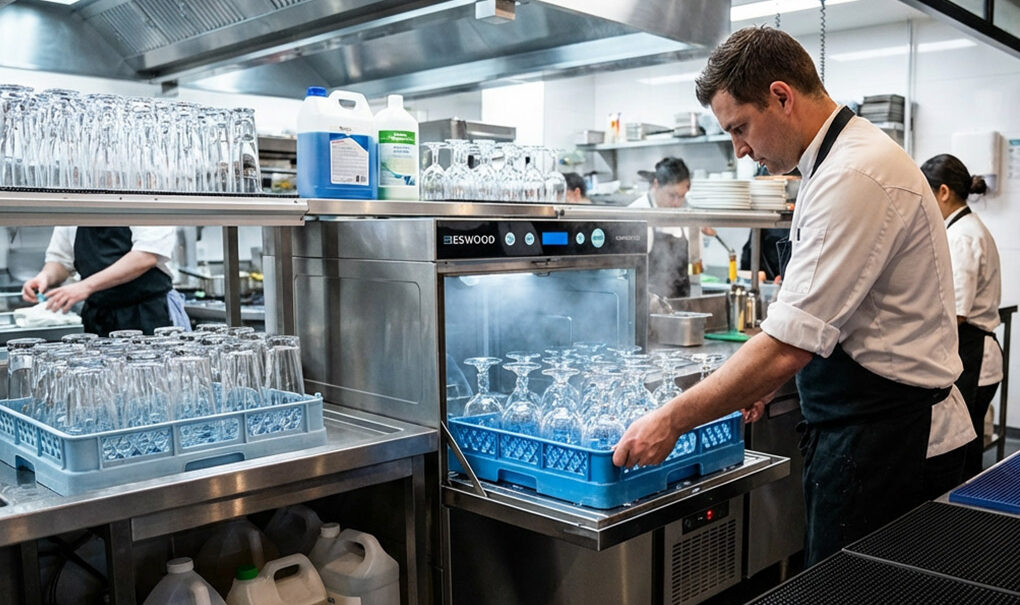
5 Things to Know Before Buying a Commercial Glass Washer
Choosing the right commercial glass washer involves matching the machine’s capacity, cycle speed, and utility requirements to your venue’s peak demand to ensure a constant supply of sparkling glassware.
Introduction
Selecting the right commercial glass washer is a critical decision for any Australian bar, pub, or restaurant. The perfect machine does more than just clean glasses. It enhances presentation, improves workflow, and ensures hygiene standards are met. A fast, reliable glass washer allows your team to serve customers quicker, especially during peak hours. You’ll never have to worry about running out of sparkling clean glassware again. This guide covers the essential factors to consider, from capacity and cycle times to installation requirements, helping you find the ideal fit for your venue.
When is a Commercial Glass Washer Essential?
Understanding where a dedicated glass washer shines can clarify if it’s the right investment for you. These machines are specifically engineered for the unique demands of a busy hospitality environment and are a core piece of beverage equipment.
High-Volume Bars and Pubs
In a venue serving hundreds of drinks an hour, speed is everything. A commercial glass washer with a 60 or 90-second cycle can keep up with relentless demand. This ensures a constant supply of clean beer, wine, and cocktail glasses without interrupting service.
Specialty Cafes and Wineries
Presentation is paramount when serving artisanal coffee or premium wines. A glass washer uses lower temperatures and gentler water pressure than a standard commercial dishwasher. This protects delicate glassware from etching and breakage while delivering a flawless, spot-free finish.
Function Centres and Hotels
During large events, the demand for clean glassware skyrockets instantly. A high-capacity under bench or pass-through glass washer allows staff to process hundreds of glasses quickly, maintaining a seamless guest experience.
Restaurants with Limited Bar Space
A compact under-bench glass washer is a space-saving solution that fits neatly behind the bar, often alongside commercial bar fridges. This allows bartenders to manage their own glassware, streamlining operations and freeing up the main kitchen dishwasher for plates and cutlery.
Key Factors When Buying a Commercial Glass Washer
Navigating the options can be tricky. Keep these practical tips in mind to ensure you select a machine that serves your business well for years to come.
Calculate Your Peak Capacity
Don’t base your decision on a quiet afternoon. Calculate how many glasses you use during your busiest hour on a Friday or Saturday night. Choose a machine whose racks-per-hour capacity comfortably exceeds that number to avoid bottlenecks.
Verify Your Utilities
Check your venue’s plumbing and electrical setup before you buy a glass washer. Do you need a machine with a drain pump because your waste outlet is elevated? Do you have access to a 15-amp single-phase or a three-phase power supply? Matching the machine to your site saves significant installation headaches.
Analyse Water Quality
Hard water is common in many parts of Australia and can leave mineral deposits on your glasses. If this is an issue, consider a model with a built-in water softener or budget for an external filtration system for a perfect finish every time.
Balance Speed and Performance
A super-fast cycle is great, but not if it compromises cleaning results. Look for models that offer variable cycles. This allows you to choose a quick rinse for lightly soiled glasses and a longer, more intensive wash when needed.
Consider Long-Term Running Costs
Look beyond the initial price tag. Check the machine’s water and energy consumption ratings. A more efficient unit from our warewashers range might cost more upfront but will save you hundreds of dollars in utility bills over its lifespan.
Optimising Your Glass Washer Setup
Proper placement and integration are just as important as the machine itself. A well-thought-out setup ensures a smooth and efficient workflow for your staff.
Ideally, your glass washer should be located directly in or adjacent to the bar service area. This minimises the distance staff travel with dirty and clean glasses, reducing breakages and speeding up service. Plan for a logical flow with dedicated stainless steel benches. Use a landing zone for dirty racks on one side, like a dishwasher inlet bench, and space for clean racks on the other, such as a dishwasher outlet bench. This prevents cross-contamination and keeps the workspace organised.
Ensure the area has adequate ventilation to manage steam and heat. Good airflow prevents moisture buildup and creates a more comfortable environment for your team. Finally, make sure the machine is installed with enough clearance for staff to easily access controls, refill chemicals, and perform daily cleaning.
Common Mistakes to Avoid When Buying
Purchasing the wrong glass washer can lead to frustration, service delays, and unexpected costs. Here are some common pitfalls to steer clear of.
- Underestimating Volume: The most frequent error is buying a machine that’s too small. It might seem cost-effective initially, but it will quickly become a bottleneck during busy periods. Always size up to handle your absolute peak demand.
- Ignoring Drain Requirements: Many buyers overlook plumbing specifics. A standard ‘gravity drain’ machine only works if your waste pipe is below the machine’s outlet. If your plumbing is higher up the wall, you must choose a model with a fitted ‘drain pump’.
- Forgetting Ongoing Chemical Costs: Your machine will require commercial-grade detergent and rinse aid to function correctly. When comparing models, ask about their chemical consumption rates. Modern machines are highly efficient, which can lead to significant savings.
- Skipping Staff Training: Never assume your team knows how to use new equipment. Incorrectly loading racks, using the wrong wash cycle, or failing to clean filters can lead to poor results and even damage the machine. Proper training is a small investment that pays off in performance and longevity.
Frequently Asked Questions
What is the main difference between a glass washer and a dishwasher?
A commercial glass washer uses lower water temperatures and pressure specifically designed for delicate glassware, preventing damage and thermal shock. They also have much faster cycle times, typically 1-3 minutes, compared to commercial dishwashers which are designed for heavier food soils on crockery and cutlery.
Do I really need a water softener for my glass washer?
If you are in a hard water area, a water softener is highly recommended. It prevents limescale buildup inside the machine and eliminates the cloudy film or white spots that hard water leaves on glasses, ensuring a sparkling, polish-free finish.
How often should a commercial glass washer be cleaned?
Daily cleaning is crucial for performance and hygiene. This includes removing and rinsing the scrap trays and filters at the end of each day. A more thorough weekly clean of the spray arms and interior is also recommended to keep the machine running efficiently.
Can I use a glass washer for anything other than glasses?
It is generally not recommended. Glass washers are not designed to handle the heavy food soils or grease found on plates or cutlery. Using them for other items, which should be cleaned in a dedicated utensil and pot washer, can lead to poor cleaning results and potentially clog the machine’s components.
Conclusion: Your Partner in Perfect Glassware
Investing in the right commercial glass washer is a strategic move that directly impacts your service quality and operational efficiency. By carefully considering your venue’s capacity, utility setup, and workflow, you can select a machine that delivers sparkling results every time. A reliable glass washer not only protects your valuable glassware but also empowers your staff to provide faster, more professional service.
Ready to find the perfect machine for your venue? Explore Snowmaster’s extensive range of commercial glass washers today or contact our expert team for personalised advice on all your cooking equipment needs.