

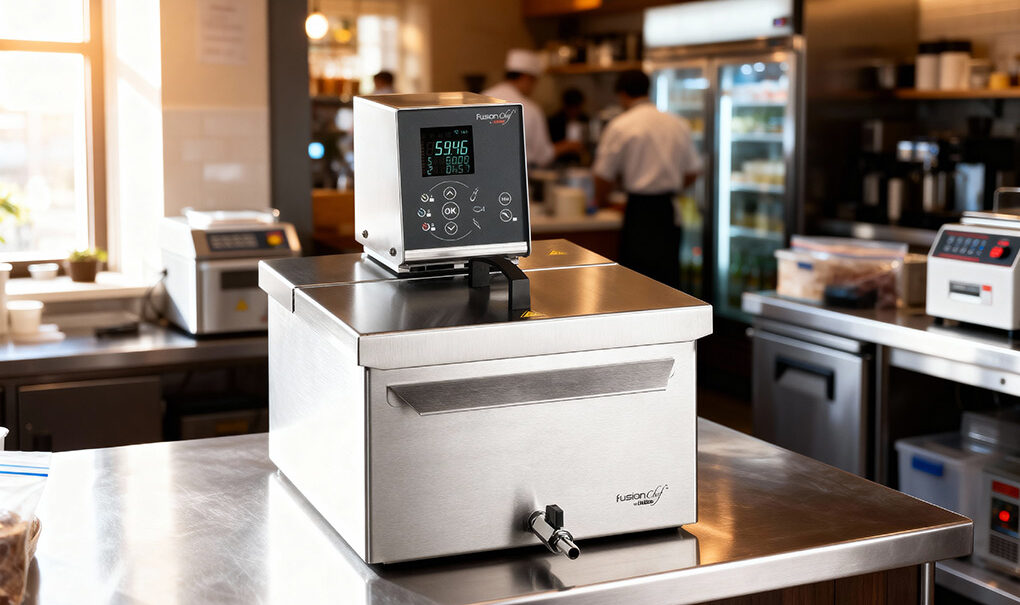
5 Things to Know Before Buying a Sous Vide Machine in 2026
When you buy a sous vide machine, prioritise wattage, temperature precision, circulation capacity, build quality, and maximum water volume for commercial-grade results.
Introduction
Choosing the right sous vide machine can transform your kitchen’s efficiency and product quality. This precision cooking method, which circulates water at an exact temperature, guarantees perfectly cooked food every time. This guide is for chefs, caterers, and cafe owners looking to invest in equipment that delivers repeatable, high-quality results. We will cover the essential factors, ensuring you select a machine that meets the demands of a busy commercial environment. By understanding these key features, you can make a smart purchase that elevates your menu and streamlines your operations.
Why Use a Commercial Sous Vide Machine?
A commercial sous vide machine shines in several key kitchen scenarios, streamlining operations and boosting food quality. For a high-volume steakhouse, it is a game-changer. Chefs can cook dozens of steaks to a perfect medium-rare during prep hours. When an order arrives, the steak only needs a quick sear on a commercial char grill, drastically cutting ticket times while guaranteeing consistency.
Catering businesses benefit immensely from this reliability. Imagine preparing 200 chicken breasts for an event. Sous vide ensures every single one is cooked to the exact same temperature, keeping them moist and tender. They can be held safely in the water bath until it is time to plate, removing the risk of dry, overcooked food. This level of precision is also found in high-end combi ovens but sous vide offers a unique, gentle cooking environment.
In a fine dining setting, its precision is essential for delicate items. It allows for flawless custards, perfect 63-degree eggs, and vegetables with a unique texture. Even a small cafe can use it to batch cook pulled pork for sandwiches, ensuring consistency and freeing up other cooking equipment during the lunch rush.
5 Key Factors When You Buy a Sous Vide Machine
When you are ready to buy a sous vide machine, focus on these key specifications to get a reliable workhorse for your kitchen.
1. Heating Power (Wattage)
Higher wattage heats water faster and recovers temperature more quickly when cold food is added. For a commercial 30-litre bath, look for a unit with at least 1200 to 1500 watts to minimise waiting times and maintain stability during service.
2. Temperature Precision
A quality commercial unit should maintain the set temperature with a precision of at least ±0.1°C. This level of control is vital for consistent results with sensitive proteins like fish and eggs. Inaccurate temperatures can ruin expensive ingredients and compromise your dishes.
3. Circulation Capacity
A strong water circulator ensures even cooking in large containers. Check the flow rate, measured in litres per minute (LPM). A rate of 10-12 LPM is a good benchmark for preventing hot or cold spots, which is critical for food safety and quality in any piece of food preparation equipment.
4. Build Quality and Durability
Commercial kitchens are tough environments. Choose a machine with a durable stainless steel body and a robust clamp that attaches firmly to various containers. It should be designed for long hours of continuous operation, unlike domestic models which can fail under pressure.
5. Maximum Water Volume
Check the manufacturer’s specifications for the maximum water bath size the unit can handle. A commercial immersion circulator should comfortably manage at least 30 to 50 litres for effective batch cooking, allowing you to maximise your output during prep.
Setting Up Your Sous Vide Station for Success
Proper setup of your sous vide station is crucial for an efficient and safe workflow. Designate a specific area for it, preferably on a sturdy stainless steel bench away from the main kitchen thoroughfare. This prevents accidental knocks and spills of hot water.
Ensure the location is close to both a power outlet and a water source. Proximity to a commercial double sink makes filling and draining the water bath a much simpler task. Think about the process flow. Ideally, your station should be adjacent to your vacuum sealer on its own stainless steel table. This allows staff to prep, seal, and place food into the water bath in one smooth motion. Finally, consider ventilation, as sous vide generates steam that can add humidity to the kitchen.
Common Mistakes to Avoid
Avoiding common pitfalls when you buy a sous vide machine will save you time and frustration. One of the biggest errors is buying an underpowered, domestic model for commercial use. These units are not built for the long hours or large water volumes of a professional kitchen and will struggle to maintain temperature.
Another mistake is overlooking the water circulation pump’s power. A weak pump in a large water bath creates uneven temperature zones, meaning food can be inconsistently cooked. Also, neglecting ease of cleaning is a common oversight. A machine that is difficult to descale will quickly become a problem, as limescale buildup can lead to inaccurate readings and equipment failure. Finally, do not forget the accessories; skimping on a quality vacuum sealer will lead to failed seals and wasted product.
Frequently Asked Questions
What size water bath do I need for a commercial sous vide?
This depends on your output. A small cafe might use a 20-litre container, while a high-volume restaurant or caterer may need a 50-litre or larger bath to handle multiple batches simultaneously.
Is a sous vide machine energy efficient?
Yes, once the water reaches the target temperature, it uses minimal energy to maintain it, especially with a well-insulated container and a lid. The initial heating phase consumes the most power, similar to other benchtop equipment.
Can I use any plastic bag for sous vide?
It is not recommended. You should use food-grade, BPA-free bags specifically designed for sous vide cooking to prevent chemicals from leaching and to ensure they do not melt at cooking temperatures.
How important is temperature accuracy?
Extremely important for consistency. A difference of even one degree can significantly change the final texture of delicate foods like eggs, fish, and tender steaks, making precision a key factor for professional results.
Conclusion
When you buy a sous vide machine, you are investing in consistency, efficiency, and quality for your kitchen. By focusing on the core factors of power, precision, circulation, build quality, and volume capacity, you can select a commercial-grade unit that will perform reliably for years. This will not only improve your workflow but also elevate the dishes you serve to your customers. After cooking, remember to cool products rapidly for storage using a blast chiller to maintain food safety standards.
Ready to find the perfect model? Browse our extensive range of commercial sous vide machines today and equip your kitchen with the best in precision cooking technology.