

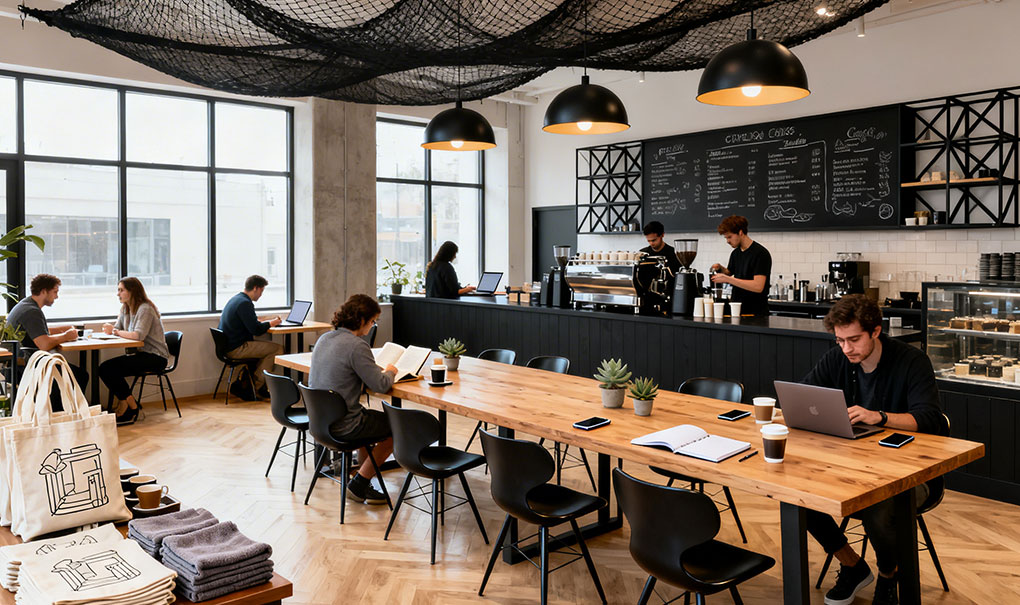
7 Tips to Improve Your Restaurant & Its Image
A restaurant’s image is formed before a customer tastes a single dish. It is built from the cleanliness of the dining room, the coherence of the menu, the consistency of the service and the condition of the kitchen. In an industry where Google reviews, Instagram and delivery platforms give every customer a public voice, reputation is both more visible and more fragile than it has ever been. These seven tips are practical — each one addresses something you can act on this week.
Make Cleanliness a System, Not a Task
Cleanliness is the most consistently cited factor in Australian restaurant reviews — both positive and negative. The problem is not that operators do not care about it. The problem is that familiarity breeds blindness. After a few weeks in the same environment, the smudged glass door, the grease buildup on the rangehood and the stained menu covers become invisible to the people who work there every day.
The fix is to systematise it. Assign specific cleaning responsibilities to specific staff for specific areas. Schedule weekly checks with fresh eyes — walk the floor as a customer would. In the kitchen, a documented cleaning schedule is also a food safety compliance requirement under Australian Food Standards Code Standard 3.2.2. Cleanliness in the dining room and the kitchen are the same discipline.
Tighten Your Menu
The most common menu mistake in Australian restaurants is trying to cover too much ground. A long menu with dishes from multiple cuisines signals to customers that nothing is done exceptionally well. It also creates complexity in the kitchen — more ingredients to manage, more prep, more potential for inconsistency and waste.
The restaurants with the strongest reputations are almost always known for doing a specific thing very well. A focused menu is easier to execute consistently, easier to communicate to customers and easier to staff. You do not need a single dish — but stay within a clear food identity. Customers should be able to describe your restaurant in one sentence.
Document Your Standards
Consistency is what turns a first visit into a regular habit. The worst enemy of consistency is relying on memory and assumption. When the head chef is off sick and a casual is running the kitchen, are the dishes coming out the same way?
Write everything down — recipes with exact quantities, plating specs, service sequences, opening and closing procedures. This is not about removing creativity from your kitchen; it is about ensuring the baseline is reliable regardless of who is on the floor or behind the pass that night. The operators who scale successfully are always the ones who documented their standards early.
Evolve Deliberately
A menu or operation that never changes signals stagnation. But change for its own sake — frequent menu overhauls, constant concept shifts — is equally damaging. The goal is deliberate evolution: regular, considered improvements that move the restaurant forward without confusing loyal customers.
This might mean adding a seasonal menu section twice a year, updating your point-of-sale system, responding to dietary trends with a small number of considered additions, or upgrading kitchen equipment that is limiting your output. Evolution in a restaurant is most effective when it is driven by customer feedback and operational data — not by what a competitor is doing.
Actually Listen to Your Customers
There are two ways to listen. The first is through data — your best-selling dishes, your average spend per cover, your table turn time, your online review scores and the patterns in what customers are ordering and what they are leaving. If your desserts are rarely ordered, that is a signal. If one dish generates repeat visits, that is a signal too.
The second way is direct conversation. Walk the floor during service. Talk to tables — particularly as the owner or manager. People will tell you things in person that they will not put in a review. And the act of asking signals to customers that their experience matters to you, which itself contributes to a positive impression of your restaurant.
Invest in the Right Equipment
The quality of what comes out of your kitchen is constrained by the equipment your team is working with. A combi oven produces more consistent results than a conventional oven. A blast chiller allows batch cooking without sacrificing food quality. A correctly specified commercial dishwasher keeps glassware and crockery presentation-ready throughout service. The right refrigeration maintains ingredient quality from delivery to plate.
Equipment investment is not about having the newest or most expensive items — it is about having the right tools for the volume and style of food you produce. Inspect all equipment thoroughly every three months. Replace ageing equipment before it fails during service, not after. A breakdown during a busy Friday night service costs more than the replacement equipment in lost revenue and customer goodwill alone.
Browse Snowmaster’s full range of commercial cooking equipment, refrigeration and food preparation equipment — or read our restaurant equipment checklist for a full category-by-category guide.
Invest in Your People
Your staff are the most visible part of your restaurant’s image. Every interaction a customer has — from the greeting at the door to the way a server describes a dish — forms part of the impression that determines whether they return.
Invest in training. Make sure every staff member can speak confidently about the menu, knows the restaurant’s story and understands the standard of service you expect. Pay staff well — the cost of turnover in hospitality is consistently underestimated. A team that stays, grows with the restaurant and delivers a consistent experience is one of the strongest competitive advantages a restaurant can have in the Australian market.
Snowmaster has supplied commercial kitchen equipment to Australian restaurants, cafés and hospitality businesses since 1945. When you are ready to upgrade your kitchen, our team can help you find the right equipment for your operation and budget.
Browse: Cooking Equipment · Fridges · Dishwashers · Food Prep · Benches