

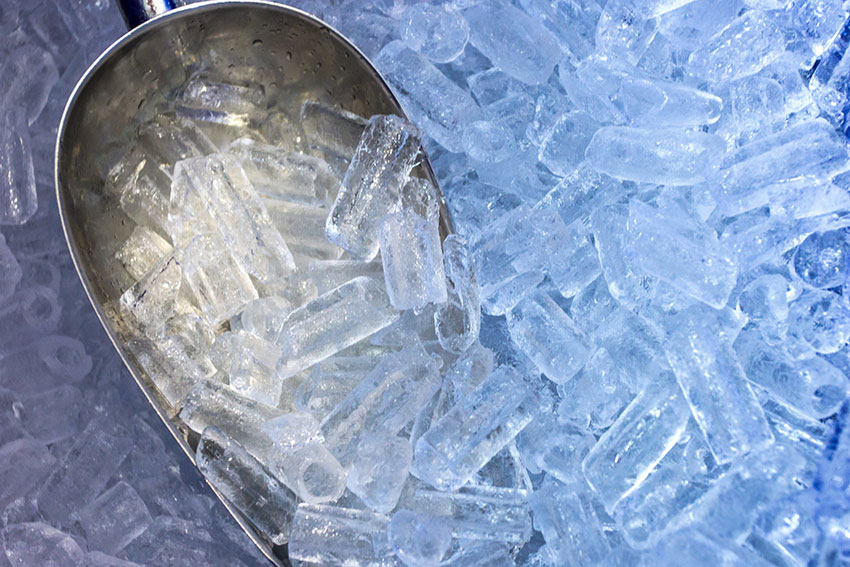
How to Choose a Commercial Ice Machine for Your Business
- Machine type: Countertop for small volumes; undercounter for mid-sized operations; modular for high-volume production.
- Ice type: Cube ice for drinks; flake ice for food displays; nugget ice for blended drinks and self-serve applications.
- Production capacity: Calculate your peak daily demand and ensure your machine exceeds it — not just meets it.
- Storage: Aim for a bin capacity of at least 75% of daily production output, ideally 10–20% more.
- Cooling: Air-cooled suits most kitchens; water-cooled suits hot, poorly-ventilated spaces.
A reliable commercial ice machine is essential equipment for any hospitality business — from bars and restaurants to cafés, aged care facilities and catering operations. But with multiple machine types, ice formats, production capacities and cooling systems to consider, choosing the right model takes more than a quick price comparison. This guide covers everything you need to know to match the right commercial ice maker to your business.
Understand the Machine Types
The first decision is the machine format. Each type suits a different volume of use and kitchen environment.
Countertop Ice Dispenser
Compact and self-contained, countertop dispensers suit small cafés, reception areas or office kitchens where ice demand is modest. Storage capacity is limited, so they’re not suited to high-volume service environments.
Undercounter Ice Machine
The most popular choice for bars, small restaurants and café kitchens. Fits beneath standard bench height, combines production and storage in one unit, and connects to existing water and drainage without major infrastructure changes.
Modular Ice Machine
Separates the ice-making head from the storage bin, allowing each to be sized independently. The right choice for hotels, large restaurants and any operation with high or variable ice demand throughout the day.
Ice and Water Dispenser
Designed for customer-facing environments such as healthcare, accommodation and dining halls. Touch-free dispensing options are available and increasingly expected in commercial self-serve settings.
Choose the Right Type of Ice
Ice type affects everything from drink quality to food presentation. Matching the ice format to your primary application is one of the most important decisions you’ll make.
| Ice Type | Properties | Best For |
|---|---|---|
| Cube Ice | Dense, slow-melting, clear | Cocktails, spirits, soft drinks — anywhere dilution control matters |
| Flake Ice | Soft, pliable, high surface area | Seafood and produce displays, fish markets, salad bars, food transport |
| Nugget Ice | Chewable, absorbs flavour, soft texture | Blended drinks, healthcare settings, self-serve stations, soft drink dispensing |
| Half Cube | Versatile, fits most glassware | General bar and restaurant use, fountain drinks, high-volume service |
Calculate Your Production Capacity Needs
Every commercial ice machine lists its maximum production output in kilograms per 24 hours. That number, however, is achieved under ideal laboratory conditions — in practice, ambient temperature and water temperature will reduce real-world output, often by 10–20%.
To calculate what you actually need:
- Estimate your average daily ice consumption across all uses — drinks service, displays, food storage, staff needs
- Identify your peak demand period (Saturday dinner service, a summer function, a full hotel occupancy day)
- Add a 20–25% buffer above your peak estimate to account for real-world production shortfalls and unexpected demand
- Choose a machine whose rated output meets or exceeds that buffered figure
Running out of ice during a peak service period is one of the more avoidable operational problems in commercial kitchens. Sizing up slightly costs little; running short costs significantly more.
Match Storage Capacity to Production
Production capacity and storage capacity are separate specifications — and both matter. A machine that produces 100 kg of ice per day is only useful if it can hold enough ice to meet demand during the hours when production pauses or slows.
As a practical guide:
- Storage capacity should be at least 75% of your daily production output
- Ideally, storage should be 10–20% higher than your expected 24-hour production
- For modular machines, the storage bin is sized independently — this is one of their key advantages over self-contained units
For self-serve applications, also consider whether touch-free dispensing is required — increasingly the expected standard in healthcare, aged care and accommodation settings.
Air-Cooled vs Water-Cooled
Commercial ice machines use one of two cooling methods. The right choice depends on your kitchen’s ambient temperature, ventilation and water supply constraints.
Air-Cooled — Most Common
- More energy-efficient and lower running cost
- Requires adequate clearance around the unit for airflow
- Must be installed in an area consistently below 30°C
- Not suited to poorly-ventilated or very hot kitchen environments
- The standard choice for most Australian commercial kitchens
Water-Cooled — Specialist Use
- Works effectively in hot, poorly-ventilated spaces
- Requires minimal clearance around the unit
- Uses significantly more water — higher running costs
- May conflict with local water efficiency regulations
- Best suited to specific installation constraints
Maintenance and Cleaning Features
Ice machines require regular cleaning to maintain food safety compliance and machine performance. When evaluating models, look for features that reduce the burden of ongoing maintenance:
Features to Look For
- Auto-cleaning cycle — runs a cleaning programme automatically on a schedule, reducing manual effort and the risk of missed cleanings
- Auto-purge — automatically flushes the water system to prevent mineral scale buildup between manual cleaning cycles
- Accessible air filter — filters should be reachable and easy to remove without tools; blocked filters are one of the most common causes of reduced ice production
- Cleaning alert system — notifies staff when a cleaning cycle is due, removing the need to track maintenance schedules manually
- Antimicrobial components — some models include treated surfaces that inhibit mould and bacteria growth in the ice-making and storage areas
In Australian commercial kitchens, ice machines must comply with food safety regulations under the relevant state and territory food acts. Regular cleaning records and scheduled servicing support compliance during inspections.
Water Treatment and Drainage
Water quality directly affects ice quality — and ice quality affects the taste of every drink you serve. Hard water causes mineral scale buildup inside the machine, reducing efficiency, shortening component life and affecting the clarity and flavour of the ice produced.
Key considerations for your installation:
- Inline water filter: A good filtration system removes chlorine, sediment and other impurities. This improves ice taste and protects internal components — it’s a worthwhile addition for almost any installation.
- Water softener: In hard water areas — common across regional and some metropolitan parts of Australia — a water softener significantly extends machine lifespan and reduces descaling frequency.
- Drainage: Modular machines require a nearby floor drain. Countertop units must channel condensation and waste water into an accessible sink. Ensure there is an adequate air gap in the drainage setup to prevent backflow and meet plumbing code requirements.
How to Choose the Right Commercial Ice Machine
Use these questions to identify the right model for your operation before you buy:
- What is your peak daily ice demand? Choose a machine that exceeds it by at least 20–25% to account for real-world production variance.
- What ice type does your primary use case require? Cube for drinks, flake for food display, nugget for blended drinks or self-serve.
- What machine format suits your kitchen? Countertop for small volume, undercounter for mid-volume, modular for high or variable demand.
- What is the ambient temperature at your installation location? If consistently above 30°C or poorly ventilated, investigate water-cooled options.
- Is your water supply hard? Factor in the cost of filtration or softening at the point of installation.
- Is self-serve or touch-free dispensing required? Healthcare, accommodation and institutional settings increasingly require this.
Frequently Asked Questions
How much ice does a commercial kitchen need per day?
It varies significantly by operation type. As a rough guide, bars and restaurants typically use 1–2 kg of ice per seat per service. Hotels use 5–8 kg per occupied room per day. Calculate your actual usage across all applications — drinks, food displays, storage — and then add 20–25% as a buffer for peak periods and real-world production variance.
What is the difference between a modular and a self-contained ice machine?
A self-contained machine combines ice production and storage in one unit — simpler to install and suited to low to mid-volume operations. A modular machine separates the ice-making head from the storage bin, allowing each to be sized independently for high-volume or variable-demand environments.
How often does a commercial ice machine need to be cleaned?
Most manufacturers recommend a full cleaning cycle every one to six months depending on water quality and usage. In hard water areas or high-use environments, more frequent cleaning is necessary. Daily visual checks and weekly wipe-downs of accessible surfaces should also be part of your routine.
Do I need a water filter for my commercial ice machine?
Yes, in almost all cases. An inline water filter removes chlorine, sediment and impurities that affect ice taste and machine performance. In hard water areas — common across much of Australia — a water softener is also strongly recommended to prevent scale buildup and extend machine lifespan.
What is the difference between cube, flake and nugget ice?
Cube ice is dense and slow-melting, ideal for drinks where dilution control matters. Flake ice is soft and pliable with high surface area, best for chilling food displays and seafood. Nugget ice is chewable and absorbs flavour, making it popular for blended drinks, self-serve stations and healthcare settings where chewability is important.
Can I install an air-cooled ice machine in a hot kitchen?
Air-cooled machines are rated to operate in ambient temperatures up to approximately 30°C. In kitchens that regularly exceed this — particularly in summer — performance will drop and the machine may struggle to meet its rated output. In these environments, consider a water-cooled model or ensure adequate ventilation at the installation location.
Snowmaster has supplied commercial ice machines to Australian hospitality businesses since 1945. Our team can help you size the right machine for your operation, advise on water treatment, and arrange installation and ongoing servicing.
Browse Commercial Ice Machines →
Also browse: Commercial Refrigeration · Commercial Dishwashers · Food Preparation Equipment · Contact Us